|
|
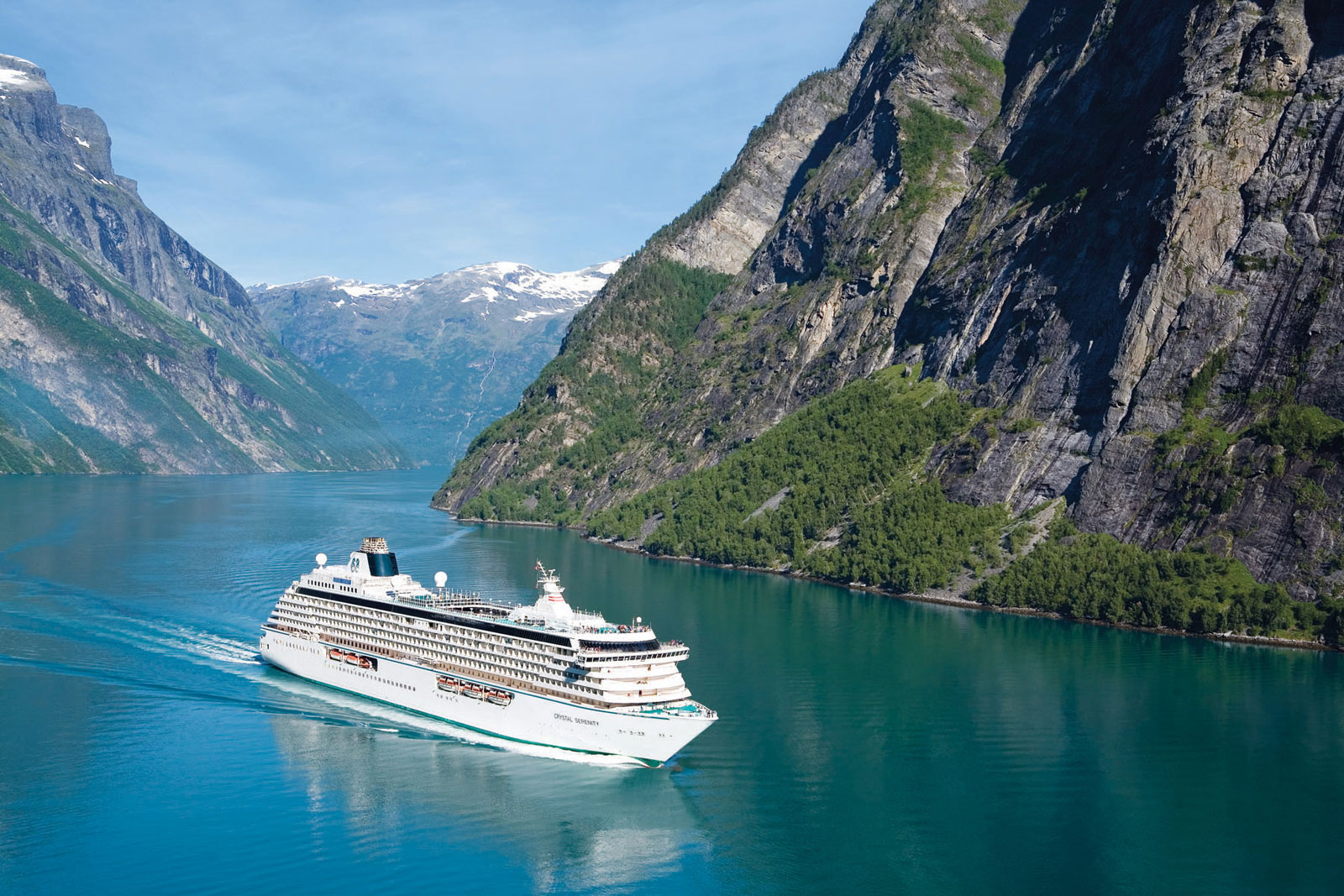
The case: The cruise industry was undergoing a profound transformation. New opportunities, new competitors, new business models. For our Client — an internationally recognized tour operator — this meant one thing: they needed a clear strategy and the ability to select and govern the right portfolio of initiatives to continue growing. It was at this moment that they called us. The company wanted to establish a solid, credible PMO capable of becoming a true engine of transformation. And they asked us to help them build the Business Case for the new business model and the PMO, ensuring it would be launched the right way. |
|
PMProgetti’s intervention: We began by supporting the IT PMO Director with one of our Senior Program Managers. Not with a theoretical approach, but with our PMO Assessment methodologies, based on internationally recognized maturity models. Before proposing solutions, we analyzed processes, competencies, and decision-making dynamics. We assessed the organization’s maturity level in Business Analysis and Project Management. The result was clear: the company did not need a simple operational PMO, but an Advanced PMO, a true Center of Excellence deeply integrated with the business side. From there, we launched a structured continuous improvement journey, articulated in three phases:
We then initiated the first phase by defining the PMO strategy:
From this work, the TO BE PMO Model was created, accompanied by three alternative scenarios in terms of:
We then developed the PMO Implementation Plan and the Business Plan, analyzed benefits and costs, defined the three-year budget for each scenario, and presented the full Business Case to the Steering Committee. In parallel, we defined:
The value created: a PMO that becomes a strategic asset. At the end of the journey, the Client did not just have a Business Plan. And this is exactly what makes us most proud: helping an organization build the foundations to govern its future with autonomy and confidence. |
|
|
|
The case: When we first entered the Client’s headquarters — one of the most dynamic international players in the Insurance sector — the atmosphere was filled with anticipation. The company had just launched an ambitious Transformation Program, an investment of over 50 million euros aimed at redesigning processes, systems, and internal culture. At the heart of it all was the implementation of the new SAP ERP, a profound change impacting every business function. The General Manager, together with the IT Director and Business Leaders, had a clear need: they required support from a strong, competent PMO capable of governing complexity, suppliers, budget, and timelines. They needed someone who could bring not only methodology, but also clarity, presence, and the ability to guide people through change. |
|
PMProgetti’s intervention: We supported the Client’s Program Manager with two senior, highly experienced Program Managers — not to replace him, but to build together a solid, credible PMO recognized across the organization. The overall Program PMO included 10 people, a mix of experienced Project Managers and younger professionals. We observed dynamics, gathered needs, and understood concerns and expectations. Because a PMO is not just a set of processes: it is a point of reference, a place of clarity, a pillar of trust. Then we began to build:
Our work was not only technical. It was about supporting people, providing confidence, and turning complexity into direction. Two years of growth - and a result we are proud of. We supported the Program for two years, guiding the organization through two crucial phases of the transformation. During this period, we trained internal resources step by step, ensuring that the PMO became an asset of the company - not of the consultants. And the most rewarding moment came at the end: the third phase of the Program was managed entirely by the internal PMO, independently. The PMO was taking responsibility for all corporate projects. For us, this was the strongest sign that the work had been done well. We had not only supported a complex Program — we had left the organization stronger than we found it. Why this experience matters: Because it shows that a PMO is not a cost, nor a formality. It is a value accelerator. |
|

|
|
The case: The client is one of the leading companies in the insurance sector. They had just launched an ambitious program aimed at improving the efficiency of the entire Claims management area. The initiative covered everything: a new claims management IT system, compliance with CARD regulations, the reorganization of adjusters’ and agencies’ activities, and the introduction of new hardware tools. Twelve workstreams, dozens of people involved, tight deadlines, and interdependent activities. The Program Manager needed a strong organizational structure capable of bringing order, method, and direction to such a complex mosaic. And this is where we stepped in. |
|
PMProgetti’s intervention: Our mission was clear from day one. We had to launch and manage a first-level Program Management Office, the Project Office that would support the Program Manager on a daily basis. We started from the foundations, because an effective PMO is built on solid processes:
Then we built the tools: templates, formats, operational documents. Not just files, but a shared language enabling everyone to work with consistency and clarity. Daily management: becoming the point of balance. Throughout the 14 months of the program, our PMO became the gravitational center of the initiative. We organized coordination meetings, prepared materials for senior management, monitored progress, and managed critical issues. We acted as a bridge between the 12 workstreams, ensuring that every piece of the puzzle aligned at the right moment. With more than 50 people involved, the PMO became the place where everything found order, communication was managed, and plans and status reports were constantly updated. The value created: a PMO that shapes transformation. At the end of the journey, the client didn’t just have a functioning Project Office. They had a clear governance system, mature processes, shared tools, and a Program Manager supported by a solid and reliable structure. Most importantly, they had a program that advanced with method, vision, and control. And this, for us, is the true value of a PMO: not just managing projects, but enabling transformation. |
|
|
|
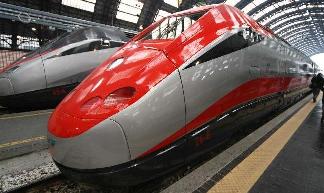
The case: The client was facing a once‑in‑a‑generation challenge: a major contract for the construction of several high-speed trains, a program that would engage the company for the next ten years. A massive project involving three manufacturing companies, with sites in Italy and abroad. A complex machine made of engineering, logistics, suppliers, deadlines, and tightly interwoven responsibilities. The Program Manager knew it well: to govern a project of this scale, solid, methodological, and reliable support was essential. They needed a PMO capable of turning complexity into direction. |
|
PMProgetti’s intervention: We supported the client with a Senior Project Manager experienced in large industrial programs. His first task was not to “execute,” but to build: to create a project PMO that could become the operational and methodological arm of the Project Manager. Together, we set up the three fundamental phases:
We selected the most suitable software tools, defined the project management methodology, and created a governance system that allowed the Project Manager to always have a complete and reliable overview. But we didn’t stop there. From the very beginning, we chose a clear approach: we didn’t want to create dependency - we wanted to build capability. We trained several internal resources step by step, helping them become an integral part of the PMO. We supported them in daily activities, meetings, supplier management, data interpretation, and problem-solving. After about a year of close collaboration, the result was clear: the client was fully able to manage all Project Management and PMO activities independently. The project continued its journey, now supported by a strong, aware, and capable internal structure. The value created: a PMO that leaves a legacy. This experience reminded us of a simple truth: a PMO is not just a set of processes - it is an accelerator of capability. After more than two years of work, we left the client not only with tools and documentation, but with a new way of working, a management culture, and a trained team. And above all, the confidence to face a decade-long project with method, vision, and autonomy. And that, in the end, is what makes us most proud. |
|
|
|
The case: When we were called by one of the leading Italian companies in the Telecommunications sector, the situation was clear: the Group was undergoing a phase of profound transformation. New efficiency goals, processes to rethink, legacy systems to replace, and an entire organization to accompany toward a new way of working. A complex, ambitious program with high strategic visibility. The Program Manager needed an experienced partner capable of bringing method, vision, and concrete tools to govern such an articulated initiative. They needed to build a solid Program Management Office. |
|
PMProgetti’s intervention: From the very beginning, we worked side by side with the Program Director and the Program Manager to build the PMO and shape the entire governance system of the program. A PMO of 10 professionals, all experts in project management. We contributed to:
In parallel, we launched a continuous coaching and training path for the Project Managers of the individual projects (10 project streams). Through dedicated workshops, we supported them in building the program and project WBS, defining responsibilities (OBS, RBS), planning activities, and monitoring progress. Requirements gathering and management proved to be crucial for the success of the program. Technology and methodology at the service of governance: To ensure effective and transparent management, we implemented Primavera Enterprise as the central Program Management tool. This enabled the organization to:
Our focus was especially on medium- and short-term planning, where precision, coordination, and the ability to anticipate risks make the difference. The result: a methodology that becomes corporate heritage. The greatest value of our intervention was not only steering the program in the right direction, but leaving the company with a replicable management model. The methodology developed together is now used in other programs and projects across the Group, becoming a true accelerator of efficiency and organizational coherence. |
|

|
|
The case: When the Library of one of Italy’s most prestigious universities contacted us, the request was clear: they needed a new way to manage their projects. Not just a set of tools, but a true point of reference capable of bringing order, method, and support to initiatives that were growing in both number and complexity. The context was typical of academic organizations: strong technical expertise, a deep sense of service, but limited familiarity with structured Project Management practices. The risk? Projects moving slowly, scattered information, unclear responsibilities, and demotivated Project Managers. It was time to build a PMO that could give structure to projects and provide dignity and visibility to Project Managers. |
|
PMProgetti’s intervention: We supported the client with a Senior Project Manager certified PMI-PMOCP and SPS (Scrum.org), who designed and implemented the PMO starting from a fundamental principle: the methodology must adapt to the organization, not the other way around. We applied methodological guidelines from PMI standards and Agile frameworks for scaling Scrum at the enterprise level. Together, we:
The goal was not to create bureaucracy, but to make projects clearer, faster, and more collaborative. Not "paperwork" but "results". Growing people, the true heart of the project. A PMO is not just processes and tools. It is, above all, skills. For this reason, we worked side by side with the Library’s Project Leaders, guiding them through a continuous development journey. Through workshops, hands-on coaching, and structured discussions, we helped them:
The impact was immediate: greater awareness, more autonomy, and a much smoother project delivery process. A pilot that becomes a model. The PMO began as a pilot on an initial group of initiatives. For this reason, the university decided to extend the model to all Library initiatives, transforming the PMO into a genuine enabler of internal innovation. |
|